Tuesday, October 1, 2013

Jack Rencher, Sr. and Werner Goering

Circling Back Around

*Published in IDAHO Magazine


I’ve never had a thing for airplanes. An adult in my youth used to take my sisters and me to the airport to repeatedly watch the planes take off and land. Given that my relationship with this individual was not the best and being a captive audience, I focused on other things. How my younger sister’s elbows stuck me right in the ribs whenever she’d move around in the back seat, how I never got to sit by the window. Our driver, engrossed by the planes, was oblivious to our plight. We’d wait for hours in the lot beyond the runway’s chain link fence, hungry and bored.

I developed a rather healthy aversion when it came to aircraft.

Then I became the mother of a cheerful, curious boy who loved playing outside. A couple of times a week, a yellow plane could be seen in the sky doing loop-de-loops or a low fly-by, to the utter delight of my little person. My son named the mystery person the ‘Crazy Pilot’. Many times I’d hear the call of,“There’s Crazy Pilot!” To our family, the plane and its operator were legendary. My anti-aircraft attitude began to soften.

Later in life, I enrolled in Real Estate school. The instructor, Corinne Rencher, became a good friend of mine. When I’d lost her number, I called Corinne’s late husband’s father, Jack Sr. Through his listing in the phone book, I attempted to contact my friend. This was my first introduction to Mr. Jack Rencher, and, as I would learn was typical, he gave me a humorous verbal runaround.

Not long afterward, Corinne, widow of Jack Jr., remarried a terrific guy named Tom. The couple began to throw annual summer parties in their backyard. This is where I finally met Jack Sr. face-to-face.

“Are you Miss America?” he asked me. I discovered he said that to all women, young and old alike. This opening line had helped him to acquire Corinne as a daughter-in-law. Corinne had been working at a bank, and Jack Sr. had met her while making his business deposits. Soon, a wise Jack Sr. began sending the young Jack Jr. to make the deposits, and a marriage had been the result.

“Where did you and your husband meet?” Jack Sr. asked during that first party, leaning forward in his lawn chair and looking at me with his keen, intelligent eyes. “I’m a marriage counselor. I like to know these things.”

Since tone and demeanor indicated the high probability that Jack was once again pulling my leg, I answered in kind. We both enjoyed the exchange, being one of many such conversations. Jack was a likeable fellow. Corinne told me he’d been a pilot in WWII and that he’d flown ‘a lot’. In the future I would learn what that meant.

As an older gentleman, Jack’s look was that of a hat of some kind, dress slacks, nice shoes, and sports jacket with a bolo tie. Hats he’d often wear would indicate his being a Veteran. Had I ever noticed the Hell’s Angels ball cap, the significance would not have registered, being neither an airplane fan nor very interested when it came to matters of WWII.

When Jack Sr. passed away in 2010, I attended his packed funeral service. A chuckle went through the crowd when it was said that he never met a woman he didn’t like. Jack’s sweetheart Louise had passed away several years before, and it seemed that he’d made his way through life without her by staying involved with the community. Well-known and well-liked, he’d been a regular at the Singles’ dances in the Valley. He helped and served in churches where he wasn’t even a member, but did have ties. Jack actually had done amateur marriage counseling at his late wife Louise’s church, the First Methodist Cathedral of the Rockies in downtown Boise. This was in connection with the singles and young couples groups.

“I always said all of Dad’s stories had an element of truth to them,” Jack’s son Brian told me.

After the funeral, I thought I’d seen the last of Jack, but that wasn’t to be the case. My children and I were invited to help with Jack Rencher’s estate sale. This was in exchange for the always-great company of Corinne Rencher Janstrom, Brian and his wife Monica, and lunch.

I was surprised to find that the Rencher home was identical to my own former home. Both dwellings shared the same builder. I had missed my old home and found solace in being able to spend time inside its twin.

Being amongst a person’s belongings for a couple of days and seeing the tangible remnants and reminders of a long life is a poignant experience. I did a lot of thinking that day about Jack, with the song, ‘A, You’re Adorable’ mysteriously running through my head the entire time. I wondered if the tune had held some significance for the Rencher couple.

At the end of our time there, we selected an item from the wide assortment of clothing left by Jack and Louise. I chose a woven beige hat of Jack’s, thinking it might keep the sun out of my eyes while gardening. Driving away from the Hill Road estate, I was sure I was seeing the last of Mr. Jack, and quite regrettably so.


As a writer who constantly wrote about things to do, see and eat in Idaho, it became increasingly clear that to ignore the Warhawk Air Museum in Nampa would be wrong. What I found at the WAM was the last thing I expected. The planes, old-time cars and memorabilia were all there; but so were the journals, the photos, a wedding dress made out of a parachute that had saved the groom’s life. And poetry. People had written the most charming, heart-felt letters and poetry. Pure art in the form of the written word came from their pain and experiences. Lovesick, missing home, missing their girl; it was all there for anyone to read. It wasn’t just about the airplanes; it was mainly about the people who’d been touched by them, in one way or another. This was personal. 


Later in the year, I submitted my WAM writings to Idaho Magazine. Bad news; they’d done a feature on the WAM already, but, I was told, if I knew someone personally who’d donated to the museum, perhaps I could write about that. I was told that the Publisher had recently heard of a late Boise man whose family had donated, and there was a book about him that I was generously invited to borrow. ‘That’s okay,’ I thought, ‘I already have someone in mind.’ Days earlier during lunch with Corinne, I was told that the Jack Rencher family had donated many of his WWII items to the WAM. I offered the name to Kitty, the Publisher, and learned that she and I had been referring to the same man all along.

Jack was back in my life again.

When I called Brian Rencher to glean more information, I marveled at the coincidence.

“It’s Boise,” Brian commented. While I’d both heard and experienced the two degrees of separation in our large capital city, in my mind I added, “---and it’s Jack.”

I pored through Kitty’s book, ‘Hell Above Earth,’ by Stephen Frater, and slowly had my eyes opened to the man I’d sat beside at the backyard parties. Jack had been one of the top pilots and co-pilots during World War II; one of the best. His sheer skill and log of hours in the air was awe-inspiring to those that knew him.

How he became a pilot is a story worthy of a book in itself. From an outsider looking in, it was a long shot. However, Jack specialized in long shots, being a dead-aim with a gun. As a high school dropout, and for a time, a vagabond that slept at friend’s houses, he was never born into the privileged set that had things handed to them. He had to fight for everything he ever got, but seemed to get everything he put his mind to getting.
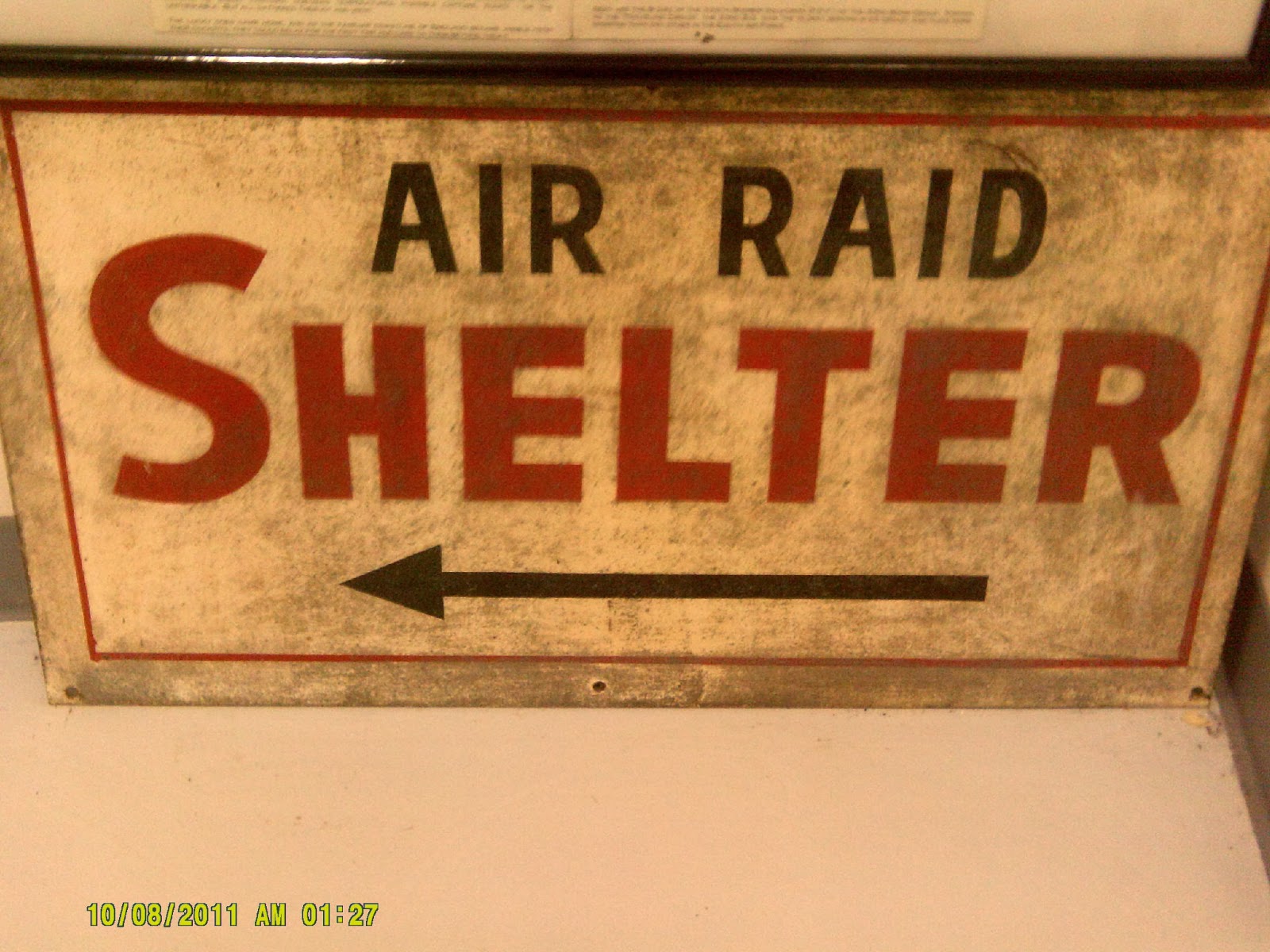

Jack had worked hard to acquire his education. While attending an overcrowded high school in Arizona, he held two jobs. His family had moved back to a more rural setting, but Jack wanted to stay where jobs, money and schooling were, so he remained in the city. When the school schedule was split due to high population, Jack was unfortunately assigned to the earlier shift. This didn’t fit with his hours, since he often labored past midnight and needed sleep. He instead showed up each day for the later shift. When the principal chastised Jack for this, the toughened youth who’d learned to fend for himself was having none of it. He argued with the principal, claiming that the ‘rich kids’ were dropped off at nine a.m. in their limousines, so why couldn’t they make space during that shift for him? The administrator flatly refused and began to abuse Jack verbally, who then gave him a warning blow. The man ran away like a frightened child. Though it meant Jack’s high school days were through, he stood his ground and stood up for himself.

Reading about Jack gave me new determination when it came to my own goals. I knew he’d gone on to become a successful entrepreneur, the founder of TechniChem in Boise. He’d been living proof that nothing was impossible.

“Wow, Jack, reading your story is giving me guts,” I caught myself saying aloud.

Jack flew as co-pilot to Werner Goering, who was said to be the German-American nephew of Nazi leader Hermann Goering. Because of this, Jack was asked covertly to shoot his friend Werner dead, should the plane ever go down over German territory. It would have been too big of a feather in the Nazi’s cap to capture the number two man’s nephew. Accepting it as duty, Jack agreed to the assignment. A time or two, Jack nearly did have to shoot his buddy. This was a tale that he shared with his family more than once, over time. When the Freedom of Information Act which allowed previously undisclosed information to be released, author Stephen Frater became aware of the story and interviewed both men. In doing so, he got to the bottom of an age-old mystery surrounding the almost-assassination of Werner Goering. Jack unfortunately passed away before he was able to read Frater’s book, a work that put together many a missing piece to the two men’s WW II-era’s puzzle.

More than once while reading, I got a lump in my throat for those boys---Jack and all the rest of them---most well under age 25. On those long, sometimes up to ten-hour flights, there was no working bathroom on board. Due to high altitudes, they often fought in as low as -60 degree temperatures, vastly complicating things. There wasn’t much room in which to function, they operated in cramped spaces. I’m not ashamed to say I’ve shed a few tears from my deeper understanding, at the most unexpected of times, like while driving down the street during an otherwise normal day. The stories have made a profound impact.

While turning the pages of the book, it was strange to slowly look up and spot Jack’s beige woven hat, hanging on a hook on the back of my office door. Having become a fixture since the summer before last, I hardly noticed it anymore. The hat now held great value. I worried that I might not have paid due respect to my former marriage counselor, who had been an American hero.

Knowing many of Jack’s things from the WWII era still existed in the care of the WAM was a comfort. It was the WAM’s Director of Aviation Operations, JC Paul, that led me to the next wing of my journalistic journey.  He suggested that I interview a recent donor, Dr. Paul Collins, known as ‘Doc Collins’. 

A few days later, Doc Collins walked towards me with a broad smile and his hand extended at the WAM, surrounded by his donations: an N3N bi-plane, 1927 Studebaker, 1955 Buick, 1941 Lincoln Zephyr, 1940 Desoto and a 1936 Dodge.

I could tell within the first few seconds that he was really, really into this stuff. Doc immediately insisted that to fully understand, I’d have to sit in the cockpit of the N3N.

“Foot here, foot here, foot here, crawl up, left foot goes in and you step over it,” Doc Collins told me. “Walk up. Grab the pole up there. Top wing. Swing around. Put your foot right on the seat. That’s it!”

I was sitting in a bi-plane.

“Grab the stick; you’re gonna learn. Look at the wing. Look way back at the tail. Move around with that,” Doc said, “That’s how you fly. That puts that wing out and this wing up and over you go. That lifts the tail; that puts the tail forward so you go down. Pull back. The tail goes down; the airplane goes up.”

It was surreal. I sat there for a while longer as I imagined being able to actually fly a plane. Thoughts of piloting had never been on my radar; but were there now. I forced myself to climb back out of the plane, surprisingly hesitant to leave it.

“This is what people learned to fly in,” Doc Collins was telling me, “Once you became level, you could see, but when you’re coming in to land, you’ve got to know where things are. Your brain begins to remember the tree, the building. In modern airplanes you can get away with a few things. Not in this. You’ve got to do exactly what it tells you. You’ve got to be willing to try it and put up with what happens. Pilots back then didn’t pass unless they were lucky and good.”

I thought of WWII’s young Jack Rencher. Lucky and good. Yep.

“I’ve been flying for more than thirty years,” said Doc, “My dad was a B24 pilot in WWII, flying a lot of missions early on and it was pretty tough. He didn’t talk much about it. I got the plane years ago, when my dad passed away. I felt it was time for me to decide what to do with it. The WAM takes great care of things; everything in here either drives or flies.”

Doc Collins said he’d give any WWII participant a flight. Once while giving such a flight, Doc yelled back, “Do you want to fly it?” and got a thumbs up from his passenger, who then made an impeccable 360-degree turn, though he hadn’t flown since the forties. Doc said he was impressed at how most pilots never forget how to fly.

JC Paul joined us and the pilot talk started, something I’d never been privy to. Eyes lit up, frequent laughter was involved, both faces became animated with the visible thrill of flight. 

The pilots explained that when in such planes, you strap it on, become a part of it. I remembered how it felt to sit in that bi-plane and related a little. The planes had been designed around guns and engines, not for creature comfort. Doc Collins’ dad had flown a B24 over England, then into Germany to attack places like ball bearing factories, where over ninety per cent of the planes were shot down.

“One of the neatest experiences is to be standing here watching some guy from WWII putting his hand on a plane, looking at it,” Doc said, “You don’t go talk to them, they’re in a whole different zone. The veterans love it. When they see these things, some of them actually start crying. It’s what they remember, what they trained with.”

As if on cue, we looked over to see an apparent veteran viewing the N3N with a man who might have been his son.

JC told me he had asked a recent visitor when the last time was that he’d been in one of the planes. ‘1953’ was the response. The man was told to get in.

Doc Collins said he liked spending time at the WAM because of his father, and because it represents an era that’s taught us a lot, lessons that he himself didn’t want to miss.

“They think it’s about airplanes,” Doc said, “It’s not. It’s about the incident.”


After shutting off my digital recorder, I asked Doc Collins to pose near his biplane for a picture. As he was standing beside the aircraft, the pilot and his bright yellow plane, my memory was jogged.

“Did you ever fly this plane over the Meridian area years ago?” I asked. I named the particular location, telling him about my then-young son and the name he’d given the ‘Crazy Pilot’.

“That was probably me,” I was told with a grin, and then Doc added, “How old is your son? I’ll take him up.” Our fascination with the famed Crazy Pilot had just come full circle.

I shook my head, seeing the pattern. It was now being made perfectly clear: Jack Rencher Sr. and airplanes were meant, for whatever reason, to be a part of my life.

I can’t currently claim disinterest when it comes to all things aircraft; that’s no longer the case. Someday soon, I’m going up into the wild blue yonder in a yellow, open-cockpit N3N.


 *For more adventures in Idaho, (with recipes between the stories!) get the "Appetite for Idaho" book here.

And visit the Appetite for Idaho Facebook page, with new stuff to do posted every weekday!

Wednesday, September 4, 2013

Julie Looney: Recipes Straight From the Idaho Kitchen

I met Julie through Social Media. She's the woman behind her man...Dan Looney, artist, is her husband. Julie not only helps Dan with his business, traveling all over Idaho (and beyond!) to various events and venues, she's also a terrific writer and chef.

Julie generously shares her favorite molasses recipes with Idahoans and the rest of America, otherwise known as 'Idahoan Wannabes'.


Payette Poulettes
Julie’s appetizers (Rich flavor but not too spicy)

6 chicken wings
1 cup full-flavored molasses
¼ cup brown sugar
1 or 2 tbs light corn syrup
8oz can tomato sauce
2 tsp vinegar
½ tsp cinnamon
½ tsp black pepper
¼ tsp salt
2 tbs finely crushed pecans

In medium saucepan or crockpot, combine ingredients for sauce.  Keep at low temperature.  Turn oven on to Broil.  Place aluminum foil onto a cookie sheet, grease lightly or use cooking spray.  Rinse chicken and place on sheet.  Season chicken with salt & pepper.  Broil for 10 minutes on each side.  Be sure the chicken is cooked thoroughly. Transfer chicken to saucepan or crockpot.  Cover and cook on low for 2 hours.


Molasses Moose Cookies

Preheat oven to 375. In large bowl, combine 2.5 cups flour, ½ tsp baking powder, 1 tsp baking soda, ½ tsp salt, 3 tsp pumpkin pie spices. Mix dry ingredients. Add 2/3 cup soft margarine, ½ cup dark brown sugar, 1 egg, 3/4 cup full-flavor dark molasses, 1 tsp bourbon whiskey or imitation brandy.  Spray "Pam" on light-colored metal baking sheet. Form mixture into small balls. Bake 7 to 8 minutes. Remove from oven. Leave cookies on cookie sheet for exactly one minute. Place cookies on rack to cool for one minute. Place in plastic air-tight containers to "cure," overnight is best. (They become wonderfully fragrant.  Hide them if necessary). Eat them the next day.

Wednesday, July 10, 2013

Amaize: Grown Right at Idaho's Blue Barn


The sun creeps across vast Caldwell fields as young green plants uncurl and reach for warmth, unaware of mounting anticipation over their very existence.

The scent of recently-tilled earth matches the faint comforting sound of a distant tractor. It's a sound Bobbi Bicandi has known all her life. She has never lived more than ten miles away from the hospital where she was born, and wouldn’t even consider an attempt at city dwelling. Bobbi and her husband Mitch have built their lives around keeping things that way for themselves and their two children, who will someday run the family business.

The four took what Bobbi described as a ‘there’s no hope’ place, and revived it into a fully-functioning, pristine farm. The Bicandis, well-accustomed to a lifestyle of work, work, work, do so relentlessly from dusk till dawn. They don’t whine, and function as a team, totally committed to their generations-old culture. You’ll wish you had been born to the Idaho countryside, (if you weren't), especially when observing the way the daily open air, sincere effort, and sunshine reflect upon this family's faces.

Good about sharing their rural lifestyle with others, Bobbi invites school children out to the farm to play in the dirt, catch frogs, and tour the enormous garden.

“Once they’re here, the shoes have to come off,” she says, displaying her classic born-and-raised Idaho girl smile.

The Bicandi’s Blue Barn Produce is a proper name for the cobalt color diverting Highway 20/26 drivers’ attention from the road. Coupled with a bold display of flowers, the establishment stands out. Market-like, people from miles around depend on the availability of veggies, milk, pies, and even fresh coffee.


In mid-July, however, the focus is on one crop. One that attracts anxious eaters who practically pester the farm for the exact date and time of its arrival. Who’s to blame them? They’re just hungry for their first taste of summer.

It’s absolutely, positively all about the corn.

The Bicandis were one of only two Idaho farms that planted and premiered George Crookham’s twenty-years-in-the-making “Amaize”.  Found by accident, Crookham and Bruce Hobdey, one of his corn breeders, discovered this rare type out in a testing field. Anxiously sampled, it was just what they’d been looking for.

Typically known for its potatoes, it may not be a well-known fact among non-farmers that Idaho also produces up to 80% of the world’s seed corn. Amaize seed is pricey, with large bags costing up to $4,000. Farmers like the Bicandis took the risk on these kernels of gold.

The stalks are also short, spindly, and yield just one cob per plant. Amaize was intentionally bred to be a creation whose nutrients funneled directly into the ultimate finished product, and what a product. George Crookham himself said, “It takes us beyond what we thought sweet corn could be.”  One farmer claimed it to be the best he’s ever grown, and that he’d never seen corn like it in his entire life.

“Dessert on a cob,” “sweet corn nirvana” and “best I’ve ever tasted” are just a few descriptions from those who’ve buried their teeth gum-deep into the rows of fresh flavor. Moved with passion, one sampler even asked if the corn grower was single.

The Bicandis understand. When out in the field during corn season, they pick, shuck and eat their meals, uncooked. If you do cook it, the connoisseurs warn, immerse cobs into boiling water for no longer than three minutes.

“This corn is soooo good,” Bobbi says, “It’s all white, very crunchy, and sweet, sweet, sweet, like candy. We think corn is ‘what’s for dinner’!”

This year, Blue Barn will be the only farm in Idaho that grows the specialty corn.

Compared to the texture of a freshly-picked apple, Amaize is crisp and has an essence that stays with you long after the cob has been enjoyed. This is a flavor devotees crave from around late October up until the next harvest. Some, including daughter Alli Bicandi, prefer the bi-colored, slighty less sweet Optimum corn, which Blue Barn also grows.


Come July, carloads from neighboring counties make the produce pilgrimage to Caldwell. This year, Blue Barn Produce will also make its debut at the Capital City Public Market.

For many, once the first bite of the season is out of the way, it’s a corn-centered diet for the next several weeks. Those who swear by the corn say it’s absolutely, positively worth the long wait.


Compliments to the Cob:

Lime with Chile- mayonnaise, parmesan, cilantro, chile powder, lime

Curried – feta, pinch of sugar, seasoning blend, curry powder, pepper

Mexican- chili powder, finely shredded Monterey Jack cheese, sour cream, kosher salt, ground red pepper, lime


Onion & Butter- butter, onion soup mix

Chipotle- butter, mayonnaise, chopped canned chipotles, salt, chili powder

Parmesan- mayonnaise, lime juice, chili powder, parmesan, cilantro

Basil- butter, dried basil, pinch of sugar, dash of salt, dash of garlic salt, fresh basil leaves, lime wedges

Bacon- Wrap in bacon and grill, serve with additional crumbled bacon bits and chives

Alli Bicandi’s Favorite: Cut corn off the cob, place in skillet with butter, add canned diced tomatoes and green chilies (don’t drain), simmer on medium heat for ten minutes, then melt in cubed soft cheese of your choice. Enjoy as a side dish, or with tortilla chips.

Other toppings to consider: pesto & parmesan, citrus zest with lemon or lime juice,  hummus with roasted peppers, herbs with vinaigrette, sesame seeds, cotija cheese, guacamole, cayenne, sour cream and chives, Chinese five-spice powder and lime juice, aioli, lemon pepper, olive oil, or fruit chutney mixed with butter.

 *For more adventures in Idaho, (with recipes between the stories!) get the "Appetite for Idaho" book here.

And visit the Appetite for Idaho Facebook page, with new stuff to do posted every weekday!
Monday, July 8, 2013

Kitty "Keen Eyes" Fleischman


Kitty Fleishman knows something good when she sees it.

“You just have to follow your nose through life,” she says good-naturedly, yet it’s her eyes that have really blessed her.

Given a ‘bird’s eye’ view through airplane flight, Kitty’s love for flying machines is evident. At age five, her first Detroit-Florida flight was spent sitting on her dad’s lap as he pointed out what they saw on the ground beneath them.

Kitty discovered another use for airplanes, later flying with a Michigan friend in a ’37 Aeronca Chief, toilet paper bombing other friends’ houses.

“You can really wrap those trees, let me tell ya,” she laughs, “You can really nail ‘em! I can't fly, but I'm one helluva bombardier.”

Starting career life as a schoolteacher, Kitty taught in Michigan for five years, but always wanted to go out West. As a kid, her hero was Dale Evans and, as a child, she’d worn cowboy hats on her back, affixed with a string around the neck, just like Dale.

An airplane brought her West in 1977, flying her to Alaska where they were hungry for experienced teachers who would stay longer than just one school year—or less—since the rough environment did not sit well with most. Many teachers arrived in Nome and never got off the plane, or took a taxi into town, and took it right back to the airport.

“There were fights in the halls and rough stuff daily, often with knives,” Kitty says.

The students had a chance to take extra curricular classes weekly, so Kitty began to teach a photography class, a subject she loved. Wanting to work for the local paper as a photographer but too shy to ask for a job, a friend of hers who knew the owner of the local newspaper, got her an interview.

Albro Gregory, editor and publisher, stood and smoked as Kitty proudly displayed her collection of photographs. He flicked through them, then tossed them aside and said, “I don’t need any (profanity inserted) ‘photog.’ What I need is a writer!"

Shy at the time, but stubborn nonetheless, Kitty told him, “If you’ll let me do your photos, I’ll write for you, too.”

She worked for the Nome Nugget for a couple of years, while continuing to teach. She and Albro got along famously. During her third year in Nome, she remembers a night she was playing foosball at a local watering hole on the seawall with some friends. Midway through the game, a red-headed man walked in, she took notice, with the thought instantly popping into her mind, “I’ve been waiting for you.” Not a believer in love at first sight, and shocked because she'd just that morning decided it was time for a divorce from her husband, Kitty,  stunned at her out of character reaction, immediately berated herself because she wasn’t even on the rebound yet. She and the man named Gerry, however, quickly became friends.

Kitty was given tenure as she began her third year of teaching in Alaska. In a way, that horrified her. “I realized then that if I didn’t leave, I’d die there, or be like some of the burnouts around me. I knew I couldn't stay.”

Offered a full-time news job in Wasilla, she leaped at it, and was to start the first of the year. Three months later, she arrived on a red-eye and after staying in the Anchorage airport overnight, then called the paper to have someone pick her up.  The editor said, “Didn’t anyone tell you? We have 35% unemployment here.”

The job evaporated, which began an extremely lonely and difficult time in her life, but Kitty was determined not to return to Nome. Renting a car, she drove around town looking for an apartment. Having gone through both newspapers' want ads, she was in the "V" listings in the phone book when she found a decent apartment where she could have her little dog, Hobo. She and Gerry had been writing to each other, but were not a couple. When a sizable earthquake hit on Easter morning, she didn't know a soul locally, so anxiously called her parents to assure them she was all right. They were in Michigan and hadn’t heard anything about the tremors. It then hit home just how isolated she really was.

Six months later, Gerry came up to visit her, on a mission to find out why she'd quit writing and calling. He stayed a short time, then went to Nome for the summer to mine gold. At the end of the season, he came back to Anchorage for a few weeks before going home to Boise. Two months later, she flew to Boise to see Gerry for a week. It didn't go well, and she returned to Alaska, certain she'd never see him again.

At Christmas she took her little dog, Hobo, to Boise to be put to sleep because Hobo had a ruptured disc in her back, and an Anchorage vet said she'd never recover. (In Alaska, human bodies aren't buried in the winter. They're warehoused until spring. Animals are taken to the dump, and Kitty wouldn't consider such an ignominious end for her beloved friend and companion.)

Intending to have Hobo buried near the Boise River, a vet in Boise decided that Hobo actually had a pretty good chance of recovery. Woman and dog fled the vet's office, and Hobo explored the desert near Kuna Cave that very afternoon, walking for the first time since her disc surgery.

Kitty and Hobo both returned to Anchorage.

In February, she sent Gerry a ticket to come to Anchorage for his birthday. During the visit,  Kitty came home from work one night to find Gerry packing her belongings. He asked her if she'd come to Boise, so they could give it a try. He had all of the right requirements: He loved her, loved her children (she had two she’d adopted), and he loved Hobo. What's more, Hobo, an excellent judge of character, loved Gerry.

They packed her little pickup truck and trundled down the Alaska Highway in March, braving ice, snow, and her fears about giving up what had been the best job on earth.

Once there, Kitty kept busy, which seems to be her natural state. Married in ’82, by ’83 Kitty and Gerry considered moving back to Alaska because of the lack of work in Idaho. When preparing to tell Gerry’s dad and step-mom about the move, they found out that step-mom Wilma had cancer.

“If we left, they’d have had nobody here,” Kitty said. 

They stayed.

In 1984, Kitty and a partner started the Idaho Business Review. By 1988, Kitty, still working to get the fledgling newspaper on its feet, was diagnosed with ‘an incurable’ form of cancer, and was told she had only a short time to live. Her doctor advised, “Do whatever you haven’t done yet, things you’ve always wanted to do.”

Trying to make the best of a bleak forecast, Kitty and Gerry went out to lunch on their tenth anniversary, acutely aware that each day was precious. That’s when it happened. Kitty spied a little red ’67 Porsche 911 on a corner, wearing a "For Sale" sign.

“Gerry. I want that,” she breathed, knowing there was no way. They had taxes to pay, very little money, and the paper was struggling. Gerry and Kitty bought the car anyway, using three different credit cards.

“I’m a Detroiter by birth. People don’t drive Porsches there. I didn't know Porsches from Guernseys, but I fell in love…what can I say?” says Kitty.

Owner of a local sports car goodie store, friend Ben Chow kept inviting the Fleischmans to the Porsche Club races at Bogus Basin. Kitty scoffed, "Yeah, Spandex, Latex, and Rolex. Not us!" They finally went to the Bogus Basin Hillcross and, not knowing anyone, sat with their little cooler and dog, O’Malley, at the end of the parking lot.

That day, O’ Malley turned out to be a conversation starter, and they left with new friends who made a wonderful impression. The hill event led to racing in autocrosses, the parking lot races with cones. There were a lot of good times, happy car trips, and friendships. Instead of working seven days a week, weekends became special times for the Fleischmans.

A couple of years went by, and Kitty’s health situation became more desperate. A friend, Beverly Mountain, mentioned she’d seen a Family Circle Magazine article about clinical studies for cancer, saying Kitty ought to check into that. Her St. Alphonsus Cancer Center doctor told her the information was on target, and he helped her get into the clinical study. Her blood values immediately showed improvement, and she was on the drugs for three years before they declared the disease as officially in remission. "It's a point of pride that I only missed a day and a half of work in the three years I was on that trial drug."

Told she’d never see 50, the now-65 year old has enjoyed remission for about fifteen years. It all started with following her nose to the car that led to the friendship, the magazine, and the clinic (at St. Alphonsus) that saved her life.

She still drives her Porsche, BLU MAX, to this day, and has lots of stories about racing, and about being a woman of years driving such a sassy car. Last Christmas, suffering with arthritis, she was getting out of the car at the grocery store, while a smirking woman approached her and asked, "I'll bet you didn't think about how hard that car would be to get out of when you bought it, did you?" Kitty answered, "I was a bit more limber 17 years ago when I bought it." The woman's jaw dropped, and she gasped, "THAT car is 17 years old?" Kitty told her, no, the car was 19 years old, but she'd owned it for 17 years.


Kitty and her partner sold the Idaho Business Review in 1999. The paper still runs today. After the sale, Kitty continued to work for the company that bought the paper for two more years, but that involved a lot of out of state travel. “I hated being away from Gerry. I couldn’t stand it. I wanted to be back in Idaho,” she says.

While in Idaho over Father’s Day, Gerry and Kitty took Gerry’s dad and his youngest uncle on a train ride. The siblings talked about their father mining gold in Hell’s Canyon before the turn of the last century. Neither Gerry nor Kitty had ever known he did that. The wheels turned in Kitty’s head, and were further sped up while talking with a friend about his antique business. He had boxes and boxes of old photos.

“How can people just give those up?” Kitty asked him, and was told since there were no names on them, they were considered ‘junk’. Kitty thought this was terrible.

She wanted to find a way to save the history. The idea for the magazine was conceived. Shortly after that, the IBR did a special section that was like a little magazine. Kitty looked at it, held it, and the light clicked on. IDAHO magazine was soon to be born.

“We needed to get Idaho’s stories told while people were still around, and that’s what we are doing. With many of our stories, people passed on between the time they were written and got published. There have been a lot like that. Idaho should be excited about telling its story. When you think about what it takes to make a living and make a life here, and the people who were first doing it and what it took for them…they should be telling these stories, for their children, and for the state!” Kitty says emphatically.

A far cry from that lonely time in Alaska, Kitty can now walk along any downtown Boise sidewalk and see a friend or two. Here since the 1980s, she’s had plenty of time to become passionate about being an Idahoan. "Idaho is my hometown. I've traveled and spoken in just about every corner of the state, and haven't found any I don't like."

For the past twelve years, her IDAHO magazine has been tying people and the stories behind them together for the rest of us, with subscriptions in all fifty states, plus Canada, Guam, and Afghanistan. When digital versions become available later this summer, the publication will be able to fulfill the requests they receive from all over the world.


Kitty Fleischman, most undoubtedly, knows something good when she sees it.

She is still passionate about flying, car racing, dogs, and Gerry, and not necessarily in that order.

For someone who says she is well past legally blind without her glasses, that’s one keen pair of eyes, Kitty Fleischman.


 *For more adventures in Idaho, (with recipes between the stories!) get the "Appetite for Idaho" book here.

And visit the Appetite for Idaho Facebook page, with new stuff to do posted every weekday!


Tuesday, June 11, 2013

Mores Creek has More


Highway 21.

Rolling down the Jeep’s windows, I inhaled the fresh mountain air with its evergreen essence.

Too many hours spent at the office, pungently scented with ‘au de magazine ink’ can damage the soul. The antidote now poured through the windows, along with the vibrant chorus of chirping birds as woman and dog rounded curve after curve on the road to Idaho City.

Easily distracted, for weeks, I’d been looking for the perfect writing getaway. Article assignments, editing multiple books, ringing cell phones,well-meaning family, friends, and Facebook…add up to personal pursuits put on the back burner.

I had a book to finish writing.
Sequestration was the only way.

Packed into my vehicle was a sleeping bag, cooler, camp chair, emergency chocolate, and a hyperactive Weimaraner. I had just under two days to do what I'd been unable to in the past two months…authentically write several more chapters, and compile what I already had.

Past Idaho City, I squinted into the sun at mile markers 42, 45…and finally…46. The first driveway beyond the marker had a metal gate and a sign that said, “Property protected by a United States Marine.” On the opposite side stood a somewhat ornate yurt. Opening the gate, I felt like a cowgirl on the ranch, getting more country and less city by the second.

Locking it into four-wheel drive, I gave it some gas for a run at “Loretta Lane”, which went up the hill. The dog made her way onto the front seat, frightened of the bumps. I remembered this particular pet had not yet gone four-wheeling with me.

Forest gave way to common area with gazebo and picnic tables near a homemade, wood-heated hot tub. A potable water spigot stood nearby, just a stone’s throw from what had to be the favorite feature of many, an outdoor shower. If you’ve never taken a shower out-of-doors, you surely haven’t lived. 


A 20’x17’ wall tent stood majestically overlooking it all, complete with walkaround deck, a barbeque, and deck chairs. It stood crisp and white against a background of sloping earth and trees. This was my home for the next two nights.


Another short climb to a parking spot, where I parked and quickly unloaded dog, sleeping bag, and vital chocolates.

The dog immediately went into critter-hunting mode while I completed an easy set up. Inside the tent were two couches against one wall and two cozy padded recliners, each facing an entrance. A kitchen area was against the other wall, with table, four chairs, and a heat-producing wood stove in the corner. Securing front and back flaps, the afternoon light and air flowed through the spacious tent, awakening the creative senses. This was the perfect place in which to write.


With so many gorgeous locations to park ones’ self, there was only one me. The soft lounge chairs, overlooking the now-vacant common area? The cushy, over-sized chairs inside the tent, with their gentle cross-breeze? The winner: a hillside camp chair near the free-standing fire pit, close to forest trails and featuring the adjacent mountain views, just the spot to for watching the sun go down, and the ideal venue in which to ease back into writing after an extended hiatus.

The light wind, water’s movement in the creek below, buzzing bugs and effusive chirping of birds as the day came to a close, and the occasional snuffle of my dog on the hunt were the only sounds present. No one asked what was for dinner. No one could call or message me.

I finally began to write.

Twenty minutes later I made lemon-ginger sun tea in a jar and set it on the deck, anticipating late evening sipping. I moved the deck furniture around. I made up a couch for bedtime, though it was still afternoon.

The writers’ curse is this: to be thinking about writing 24/7, then distracting self to avoid actually doing it. I am a true writer that way.

“Sit. Stay.”

This I said out loud to not the dog, who was off on her own quest. It was a direct command to a mind that tended to wander.

Looking over my material, I realized how far I had yet to go before completing the book manuscript. Although planning to use past newspaper and magazine articles for the skeleton, the functioning guts were missing. I frantically began jotting notes, pausing only to stand, stretch, and take deep gulping breaths of the open air.

“If we could bottle this stuff,” I thought somewhat distractedly, “We’d make millions.”

The dog busily explored the entire complex, returning about every thirty minutes to check in. Too soon, the sky turned a deeper blue, then gray, then a glorious orange-y, red and pink. For the millionth time, I marveled at an Idaho sunset.

Writing until I could no longer see, I retrieved a lantern from the tent and read a book for a couple of hours on the distinctly silent hillside.

On this mountain, it seemed to take longer for the sun to go down. By ten there it was still fairly light, but knowing I had hours of writing to tackle the next day, I turned in.

The dog, however, did not, proving once again she really was an obsessive-compulsive, as  long suspected. Refusing to cease with critter hunting, she was duly confined to the Jeep for the night.

The gentle wafts of air combined with nearby water sounds lulled me into several hours’ sleep on the comfortable couch.

With an early sunrise and so much nature surrounding me, I rose sooner than anticipated, sipping more chilled lemon-ginger sun tea and munching a granola bar while observing the sky’s transforming colors. Granted freedom, the dog resumed her hunt as I grabbed notebook and pen to continue writing.

Not being able to resist the cool morning air and light playing on the trees, we toured each cabin site as the dog circled the yurts in confusion at the unusual building shape. One yurt had glass bottles built into its walls. I peeked inside, seeing how they infused the exterior with colored light. Each area was equipped with a grilling device or fire pit, but the ‘bottle yurt,’ my pick, had a fire pit near a mini waterfall that emptied into a small pond.


The dog galloped up the logging trails, looking back at me in a mocking way. I knew what she was thinking, "I have four legs, you have two...and you're slow."

We climbed higher, crunching on pine cones and the cushion of pine needles.


When returning to writing, I periodically moved around to every picnic table at all three cabins. At one p.m., I lunched on half of a Southwestern turkey-bacon wrap at the sunniest table I could find. The dog, disapproving of change, returned again and again to our tent site, trying to induce me to follow her.

I ended my writing tour back at the camp chair, where I did the bulk of my work. At 4pm I went through the book’s outline, realizing with a grin that I had articles for the last three chapters at home. By then it was 4:29, and I was basically done.

“I’m done!” I said out loud to no one but the dog, who didn’t even turn around, “I can’t believe I’m actually done.”

With the rest of the evening to play, I whistled to the dog and we boarded the Jeep, exited the big metal gate, and rolled over the mountains, stopping to eat occasional snacks, explore, and take photos at dusk.

I watched the sun go down from Lowman that night, then we drove back to camp.

In the morning, cleanup was easy. Leaving things ‘better than I’d found them’ was a challenge, since camp had been in good shape upon arrival.

I’d accomplished more than imagined and bowed my head in gratitude. When I looked back up, there sat the dog, tail wagging excitedly.  She leaned her head to the ground, nudging something with her nose. It was a dead mouse. We were both conquerors.

The dog whimpered as we drove down Loretta Lane, past the common area, the outdoor shower, and the fire-heated hot tub that I hoped to experience at a future date. I inwardly whimpered, too, at the prospect of leaving, unready for noise and humanity's bustling movements again.

Mores Creek Cabin Rentals had been the ideal place to go on a weekday for my writing sequestration. It would also be the right place, I thought happily, for an overnight, unofficial, wildly joyous book launch party.

What better location to introduce the “Appetite for Idaho” series than at an Idaho wilderness cabin retreat?


Thanks, Mores Creek Cabin Rentals, for a memorable, restful, and productive stay.


*For more images of Mores Creek Cabin Rentals, click here. 

 *For more adventures in Idaho, (with recipes between the stories!) get the "Appetite for Idaho" book here.

And visit the Appetite for Idaho Facebook page, with new stuff to do posted every weekday!

Friday, May 31, 2013

Pride of Idaho

---Is it any wonder we struggle with being humble?
Just look at what we've got:


Amusement Parks

Arts
Autumn Events and Entertainment
The Great Pumpkin Launch, benefit for Habitat for Humanity

Bagpipers

Bed and Breakfasts

Birds of Prey
World Center for Birds of Prey

Businesses the Give Back
Opened their doors to Pocatello fire victims

Helped women’s shelter, Hope’s Door, with printing needs


Caterers

Classic Cars , Hot Rods and Big Trucks
Northwest Motorfest/ Cruise


Consignment

Cute Shops in Remote Places

Entertainment

Fairs, Festivals and Events
Western Idaho Fair
Lavender Festival
Canyon County Christmas Show
Nampa Festival of the Arts
Nampa Kiwanis Steak Fry
Old Time Fiddlers’ Contest/ Weiser
McCall Winter Carnival
Corn and Pickle Festival


Farm and Country Supply Stores

Food Carts

Food Trucks

Foodie Blogs and Groups
Robin Whiteley

Fresh Produce


Garden Valley/ Crouch/ Eateries

Great Food Outside the Boise Area
Donnelly

Hot Springs in Idaho

Idaho Desserts and Candymakers

Idaho Historians

Idaho Oddities and Unique Locations
Hooper Spring
Civil Defense Caves/ Rexburg

Idaho Photographers
Photos of Gem County
Debbie Courson Smith

Idaho State Park and Rec
Passport program


Lake Lowell

Lowman

Mackay


McCall Eateries


Moving to Treasure Valley?


Museums and Monuments

Nampa


Off the Beaten Path
Soda Springs and Caribou County


Outdoor Wonders

Performing Bareback Riders


Printers

Publications


Recipes
basil-citrus cooler

Recommended Local Eateries
LeBaron’s Honker CafĂ©
Epi’s Basque Restaurant
Fork Restaurant
Paella Day

Resorts and Retreats

Rodeos

Sun Valley Eateries, Museums, Events, Lodging


Theatres
Music Theater of Idaho

Things to Do in the Treasure Valley
Settlers Park Movie Night


Trails for Hiking and Biking
Middle Creek Walking Path, Nampa

Volunteering Opportunities

Whitewater

Winter Fun

Women’s Shelter
https://www.facebook.com/pages/Advocates-Against-Family-Violence/66808582404?fref=ts


 *For more adventures in Idaho, (with recipes between the stories!) get the "Appetite for Idaho" book here.

And visit the Appetite for Idaho Facebook page, with new stuff to do posted every weekday!